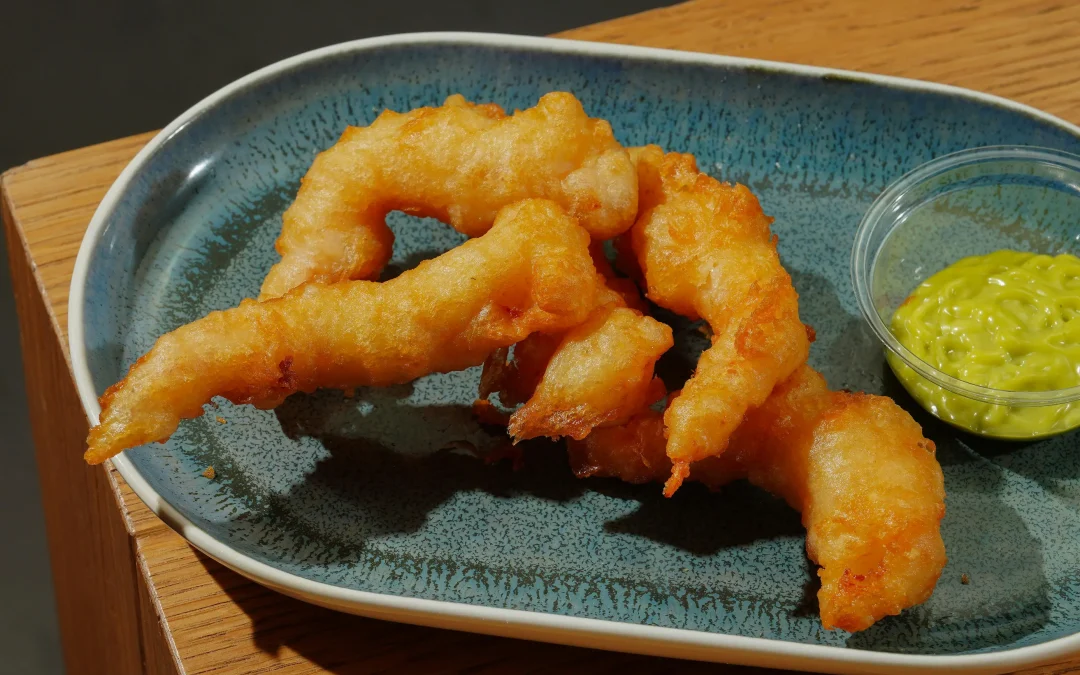
Tempura is a hallmark of Japanese cuisine: seafood and vegetables coated in an ultra-light, lacy batter and deep-fried so they stay crisp on the outside and tender within, then dipped in a delicate soy–dashi sauce. It appears everywhere from humble noodle shops to refined tempura counters, so if you want to appreciate how this once “foreign” technique became a symbol of Japanese refinement and seasonality, take a moment to read more about the history and cultural significance of tempura before you fry.
Ingredients
Tempura ingredients (tane)
Use any mix of seafood and vegetables; for 4 servings:
- 8–12 shrimp or prawns, peeled and deveined (tails on if you like)
- 1 small sweet potato, peeled and sliced ¼ inch thick
- ½ small kabocha or other pumpkin, thin slices
- 1 small eggplant, sliced into sticks or rounds
- 4–6 shiitake mushrooms, stems removed
- A few green beans, asparagus, or shiso leaves (optional)
Plus:
- All-purpose flour or potato starch for light dusting
- Neutral oil for deep-frying (rice bran, canola, or vegetable)
Tempura batter (crisp, light)
- 1 egg, lightly beaten and well chilled
- 1 cup (240 ml) ice-cold water (or half water, half sparkling water)
- 1 cup (about 120 g) low-protein flour (cake or pastry flour preferred), sifted
- 2–3 tbsp cornstarch or potato starch (optional, for extra crispness)
- A few ice cubes to keep batter cold (optional)
Tentsuyu dipping sauce
- ¾ cup (180 ml) dashi (Japanese soup stock)
- 3 tbsp soy sauce
- 2 tbsp mirin
- 1–2 tsp sugar (optional, to taste)
To serve:
- Grated daikon radish (optional)
Step 1 – Prepare the dipping sauce (tentsuyu)
- In a small saucepan, combine dashi, soy sauce, mirin, and sugar.
- Bring just to a boil, then reduce heat and simmer until sugar dissolves.
- Remove from heat and set aside; serve warm or at room temperature with a little grated daikon, if using.
Step 2 – Prep the seafood and vegetables
- Pat shrimp very dry; make a few shallow slits on the underside and gently straighten so they fry flat.
- Slice sweet potato and pumpkin into thin, even pieces; soak sweet potato slices in water 15–20 minutes to remove excess starch, then dry well.
- Cut eggplant and other vegetables into bite-sized pieces; pat completely dry.
Step 3 – Heat the oil
- Pour oil into a deep pot or wok to a depth of about 2 inches.
- Heat to 340–360°F (170–180°C); a drop of batter should sink briefly then rise and bubble actively.
Step 4 – Make the tempura batter
- In a bowl, lightly beat the cold egg, then stir in the ice-cold water.
- In a separate bowl, mix sifted flour and starch.
- Add dry ingredients to the egg–water mixture in 2–3 additions, stirring with chopsticks just a few times; leave small lumps and some unmixed flour.
- Keep the bowl over ice or add a couple of ice cubes to keep the batter very cold.
Step 5 – Coat and fry
- Lightly dust each shrimp and vegetable piece with flour or potato starch; shake off excess.
- Dip a few pieces at a time into the batter, letting excess drip off.
- Carefully slide into hot oil; fry in small batches 1–2 minutes until pale golden and crisp (tempura should be light, not deeply browned).
- Remove with chopsticks or a slotted spoon to a rack or paper towels to drain.
Step 6 – Serve
- Arrange tempura on a plate lined with paper or a rack so it stays crisp.
- Serve immediately with warm tentsuyu and small dishes of grated daikon on the side.
- Eat tempura while hot and airy for the best texture.
Tips & tricks
- Keep everything cold: egg, water, even flour if possible; cold batter limits gluten and makes lighter tempura.
- Mix the batter briefly with chopsticks and leave lumps; overmixing makes it heavy and chewy.
- Dry ingredients thoroughly—any surface moisture creates heavy coating and splattering.
- Dust in flour or starch before battering; this helps the batter cling evenly.
- Fry at 340–360°F (170–180°C) and in small batches so the oil temperature stays steady.
- Work quickly and serve right away; tempura is at its best within minutes of frying.
- Use low-protein flour (cake or pastry) plus a little starch for the crispiest, lightest crust.