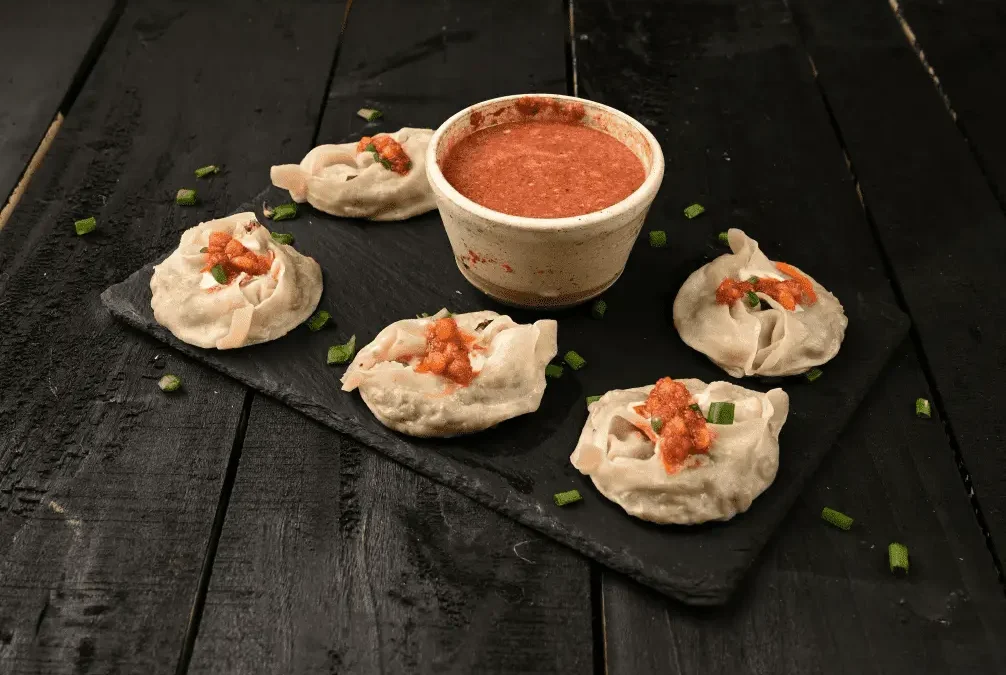
Mantu, Afghanistan's beloved steamed dumplings, fuse spiced meat with delicate wrappers for a burst of flavor. Their journey spans centuries along ancient trade routes.
Ancient Roots
Mantu trace to the Mongol Empire in the 13th-14th centuries, spreading via the Silk Road. Turkic and Mongolian nomads introduced the concept, which Afghans refined with fillings like ground beef, onions, and warming spices such as cumin and turmeric. Families fold pleats meticulously—a mark of skill passed through generations.
Cultural Significance
Mantu embody Afghan hospitality; women gather for hours to prepare them for Ramadan iftars, weddings, or Nowruz feasts. The tinier the pleats, the higher the praise, symbolizing care and tradition. In diaspora communities, they foster cultural ties worldwide. Topped with yogurt and lentil-tomato sauce, they balance rich and tangy notes.
Cooking Traditions
Steamed in bamboo trays over broth, mantu stay juicy without frying. Regional twists include pumpkin fillings in Kabul or leeks in Ashak-style variants. They're labor-intensive, making them a labor of love for special occasions.
Ready to make mantu? Jump to the full recipe here.